
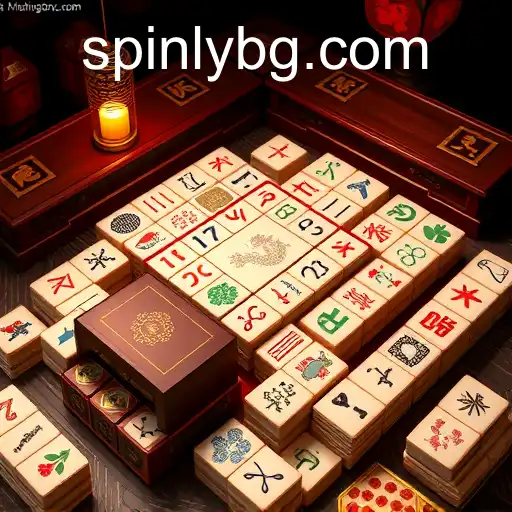
The Fascinating World of Mahjong: Exploring Its Rich Culture and Strategy
Mahjong is a captivating game that has transcended cultural boundaries, drawing enthusiasts from all corners of the globe. Originating from China, this tile-based game is renowned for its blend of skill, strategy, and chance, forming a cornerstone of social gatherings and cultural events. Let's dive into the world of Mahjong, exploring its history, significance, and the strategies that make it an enduring pastime.
The Origins and Evolution of Mahjong
The origins of Mahjong are shrouded in mystery, with various legends suggesting its creation. One popular theory posits that the game was developed by Confucius around 500 BC. Others attribute its origin to Chinese soldiers during the Taiping Rebellion, who sought a way to pass the time. Regardless of its origin, Mahjong gained widespread popularity during the Qing Dynasty, becoming a popular pastime among China's elite.
By the early 20th century, Mahjong had spread beyond China, captivating audiences in Japan, Korea, and eventually the Western world. Its introduction to the United States in the 1920s marked a cultural exchange that saw the game's rules and aesthetics adapted, leading to the distinct variations we see today.
The Cultural Significance of Mahjong
In many Asian cultures, Mahjong is more than just a game; it is a cultural activity steeped in tradition and familial bonds. In China, it is common to see families and friends gathered around a Mahjong table during holidays and celebrations, using the game as a medium to foster social interaction and strengthen relationships.
Mahjong's cultural significance extends beyond mere entertainment. It is often associated with good luck and fortune, with many players adhering to superstitions and rituals believed to influence the outcome of the game. The tile designs themselves often hold symbolic meanings, with dragons, winds, and flowers representing various elements of Chinese culture.
Mahjong Variations Across the Globe
As Mahjong spread across continents, various regions adapted the rules to suit local preferences, resulting in a multitude of versions. In Japan, Mahjong is known as Riichi, characterized by its complex scoring system and strategic depth. The American version of Mahjong diverges further, incorporating a card with specific hands that players must achieve, adding an additional layer of challenge.
Each variation holds its unique charm and complexities, attracting players with different tastes and skill levels. Despite these differences, the core principles of Mahjong remain consistent, emphasizing strategy, memory, and a keen sense of observation.
Understanding the Basics of Mahjong
A standard Mahjong set consists of 144 tiles, divided into several categories, including suits (Bamboo, Character, and Circle), honor tiles (Winds and Dragons), and bonus tiles (Flowers and Seasons). The objective of the game is to build a complete hand of four sets of three tiles and a pair, known as a 'Mahjong.'
During gameplay, players draw and discard tiles, aiming to improve their hand while keeping a close watch on their opponents. The ability to read other players' strategies and anticipate their moves is a crucial component of advanced play.
Strategic Elements of Mahjong
Though luck plays a role in Mahjong, skilled players employ a range of strategies to enhance their chances of winning. One fundamental strategy is to carefully manage the tiles in one's hand, balancing the potential to draw advantageous tiles while minimizing the risk of aiding an opponent's victory.
Memory and attention to detail are equally important. Experienced players memorize discarded tiles, calculating the odds of drawing specific tiles and predicting opponents' hands. This makes Mahjong a mentally stimulating and challenging game, honing critical thinking and decision-making skills.
Bluffing is another tactic, where players may strategically discard tiles to mislead opponents about the strength of their hand. This psychological aspect adds a layer of depth to Mahjong, making each game a dynamic and engaging experience.
The Modern Global Phenomenon
Today, Mahjong has secured its place as a global phenomenon, celebrated in tournaments and casual gatherings alike. The advent of technology has further expanded its reach, with digital versions enabling players worldwide to connect and compete.
Despite its digital adaptation, traditional Mahjong remains deeply rooted in cultural practices and social rituals. Its continued popularity is testament to the game's timeless appeal and adaptability, bridging generations and cultures.
The resurgence of Mahjong in various parts of the world underscores its universal allure, with new generations discovering the joys of the game. Whether played for fun or in competitive settings, Mahjong continues to captivate and challenge, offering endless possibilities for engagement and enjoyment.
As Mahjong enthusiasts gather around tables and screens, the game continues to evolve, its intricate balance of skill and chance ensuring it remains a beloved pastime for years to come. Whether you are a new player or a seasoned veteran, the world of Mahjong holds a wealth of exploration and wonder, a testament to its enduring legacy and cultural significance. To begin your own journey into the world of Mahjong, it is only a step away from discovering a centuries-old tradition that continues to thrive within the modern era.